
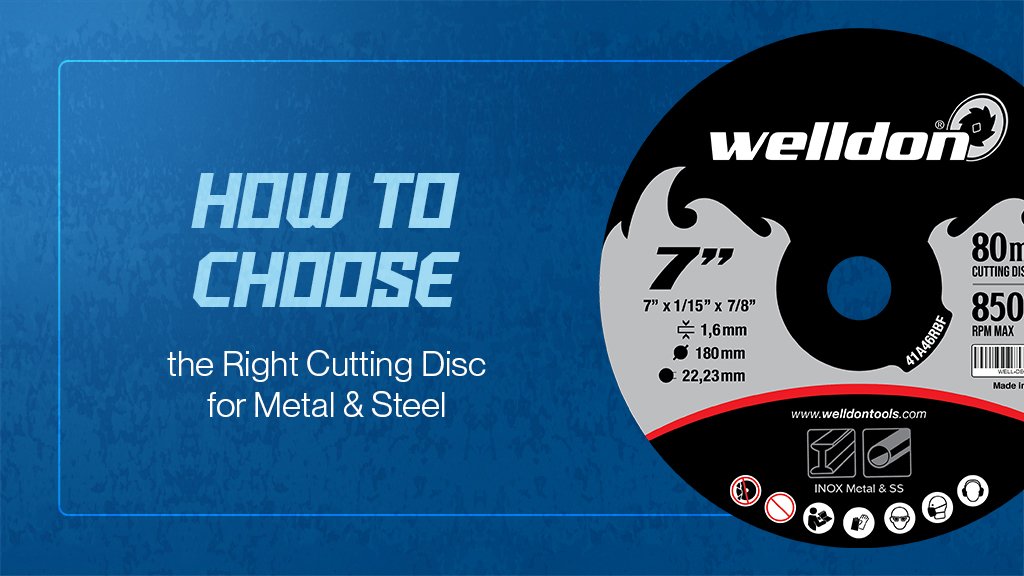
Cutting metal and steel requires precision, efficiency, and safety. Using the wrong cutting disc can lead to uneven cuts, material waste, damaged tools, or even accidents. Whether you’re a professional welder, fabricator, or DIY enthusiast, selecting the right cutting disc is critical for achieving clean, fast, and safe results.
This guide explains how cutting discs work, the types available for metal and steel, and the factors you should consider when selecting one. By the end, you’ll know how to choose a disc that maximizes efficiency, extends tool life, and ensures safe operation.
What Is a Cutting Disc for Metal & Steel?
A cutting disc for metal is a circular abrasive tool designed to slice through metal surfaces efficiently. Unlike grinding discs, which remove material gradually, cutting discs are thin and sharp, allowing them to cut through steel, aluminum, or iron quickly.
Construction of Metal Cutting Discs
Metal cutting discs are typically made of:
- Abrasive grains: Aluminum oxide, zirconia alumina, or ceramic abrasive
- Bonding matrix: Resin or reinforced fibers that hold abrasive grains together
- Reinforcements: Fiber layers for strength and durability
These components work together to produce high-speed, controlled cutting.
Difference Between Cutting and Grinding Discs
- Cutting discs: Thin, designed to slice through metal without removing excess material
- Grinding discs: Thicker, designed to smooth or shape metal surfaces
Using the correct type ensures efficiency, reduces material loss, and enhances safety.
Types of Metal Cutting Discs
Metal cutting discs come in a variety of designs to suit different metals, thicknesses, and applications.
Standard Abrasive Discs
- Most common type for steel and mild metals
- Affordable and versatile
- Ideal for general cutting tasks like rods, sheets, and pipes
Thin Cutting Discs
- Slim design allows precise, fast cuts
- Reduces heat buildup and minimizes material deformation
- Perfect for angle grinders and projects requiring clean edges
Reinforced or Fiber Discs
- Stronger structure with fiberglass reinforcement
- Handles heavy-duty cutting and high-speed rotation
- Suitable for thick metals or repeated professional use
Specialized Discs
- Stainless steel discs: Prevent discoloration and oxidation
- Aluminum-specific discs: Reduce clogging and overheating
- Alloy-specific discs: Designed for harder or more abrasive metals
Choosing the right disc type ensures faster cutting, less wear, and improved finish quality.
Factors to Consider When Choosing a Cutting Disc
Selecting the correct disc requires considering multiple factors to match your project’s needs.
1. Material Type
Different metals require specific cutting discs:
- Mild steel: Standard aluminum oxide discs
- Stainless steel: Stainless-specific or zirconia discs
- Aluminum: Special aluminum discs to prevent clogging
- Cast iron: High durability, reinforced discs
Using the wrong disc can lead to excessive wear, overheating, or poor cut quality.
2. Disc Diameter and Thickness
- Diameter: Common sizes range from 4.5 inches to 9 inches; must fit your grinder or cutting tool
- Thickness: Thin discs (1–1.6 mm) for precise cuts; thicker discs (2–3 mm) for heavy-duty cutting
Correct sizing ensures safety, prevents disc breakage, and improves cutting efficiency.
3. Maximum RPM Rating
Every disc has a maximum revolutions per minute (RPM) rating. Using a disc beyond its RPM can cause failure or breakage. Always match the disc to your grinder’s speed.
4. Bond Type and Grit Size
- Bond type: Hard bonds for softer metals; soft bonds for hard metals
- Grit size: Coarse grit for fast cutting; fine grit for smoother finish
Choosing the right combination optimizes speed, precision, and disc lifespan.
5. Wet vs Dry Cutting Considerations
Most metal cutting discs are dry discs, but some applications may benefit from wet cutting to reduce heat, sparks, or metal discoloration. Consider project conditions when selecting the disc.
Advantages of Using the Right Cutting Disc
Using the correct cutting disc offers multiple benefits:
Clean, precise cuts: Reduces post-cut finishing work
Reduced material waste: Cuts are controlled and efficient
Safer operation: Lower risk of disc shattering or kickback
Extended tool life: Both the disc and cutting tool last longer
Selecting the right disc ensures professional-quality results and improved productivity.
Common Mistakes When Selecting Cutting Discs
Even experienced users sometimes make errors that reduce cutting efficiency or compromise safety. Avoid these common mistakes:
Choosing based on price only: Low-cost discs may wear faster or break easily.
Using the wrong thickness or diameter: Thin discs on thick metal can break; oversized discs may not fit the grinder.
Ignoring maximum RPM: Exceeding the rated speed can cause the disc to shatter.
Wrong bond type for the metal: Using a hard bond on stainless steel reduces lifespan and may overheat the metal.
Skipping safety certifications: Non-certified discs may not meet international safety standards.
Being mindful of these pitfalls ensures longer disc life, cleaner cuts, and safer operation.
Safety Tips While Using Cutting Discs
Cutting metal involves sparks, heat, and spinning discs. Following safety measures is critical:
Wear PPE: Safety goggles, gloves, ear protection, and dust masks are essential.
Proper mounting and alignment: Ensure the disc is securely mounted and spins in the correct direction.
Maintain steady pressure: Avoid forcing the disc; let the abrasive do the work.
Avoid overheating: Take breaks on thick metals to prevent warping or disc damage.
Keep a safe workspace: Remove flammable materials and maintain a stable cutting area.
Safety practices not only protect you but also extend the life of your cutting disc.
Recommended Cutting Disc Practices
To maximize performance and lifespan:
Regular inspection and replacement: Check for cracks, wear, or warping before each use.
Correct storage: Keep discs flat in a dry, cool environment to avoid bending or moisture absorption.
Use within manufacturer specifications: RPM, disc size, and material type guidelines are crucial.
Match disc to application: For example, use stainless steel discs on stainless steel, thin discs for precise cuts, and reinforced discs for heavy-duty tasks.
Following these practices ensures efficient, safe, and high-quality cutting results.
How to Match Discs to Your Project
Choosing the right cutting disc depends on several factors:
- Material being cut: Mild steel, stainless steel, aluminum, cast iron, or alloys.
- Metal thickness: Thin sheets require thin discs; thick metal needs reinforced discs.
- Cutting method: Wet cutting for cooling and dust reduction; dry cutting for portability and speed.
- Tool compatibility: Ensure the disc diameter and arbor size match your angle grinder or cutting tool.
- Project scale and workload: Professional or industrial tasks benefit from durable, reinforced discs, while DIY tasks can use standard discs.
Matching the disc to your project improves cutting accuracy, efficiency, and safety.
Conclusion
Selecting the right cutting disc for metal and steel is essential for safety, precision, and efficiency. Understanding the types of discs, the materials they are designed for, and key selection factors ensures that you achieve:
- Clean, precise cuts
- Reduced material waste
- Longer disc and tool life
- Safer operation
Whether you’re working on thin stainless steel sheets, heavy structural steel, or aluminum parts, choosing the right disc makes a noticeable difference.
Invest in quality discs, follow safety protocols, and match the disc to your material and machine specifications. Proper selection and usage will save time, reduce costs, and improve the overall quality of your metalworking projects.