
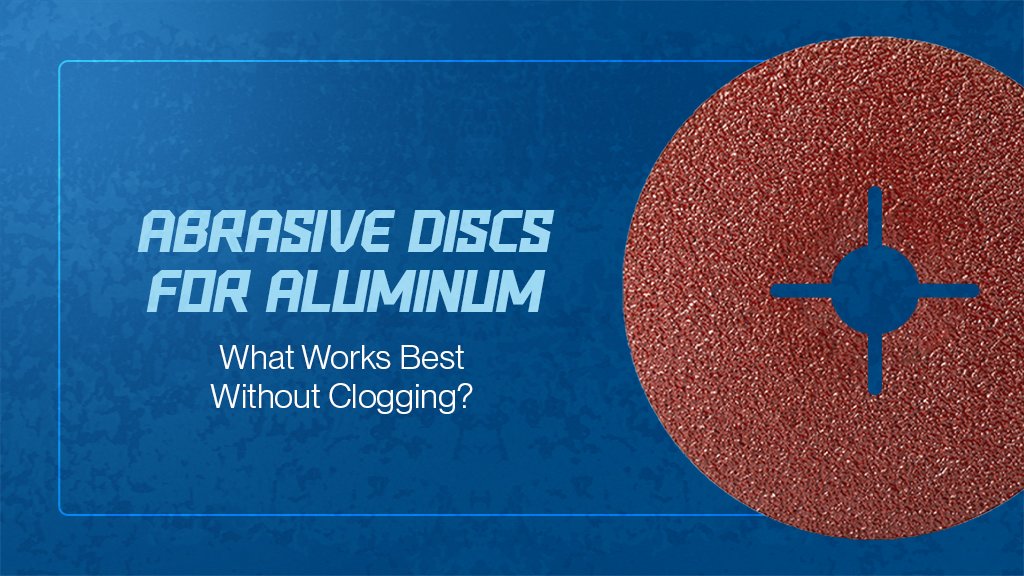
Abrasive discs for aluminum play a crucial role in achieving clean, efficient, and precise grinding results when working with this lightweight metal. Aluminum is one of the most widely used materials in modern industries, from automotive components and aircraft parts to construction materials and household products. Its lightweight structure, corrosion resistance, and versatility make it extremely valuable.
However, working with aluminum presents a unique challenge — clogging (also known as loading). Unlike harder metals, aluminum tends to stick to abrasive surfaces during grinding or sanding. This reduces cutting efficiency, shortens disc life, and negatively impacts surface quality.
Choosing the right abrasive discs for aluminum is essential to prevent clogging, improve productivity, and achieve clean, smooth finishes. In this guide, we will explore the best disc types, grain materials, techniques, and best practices for working with aluminum effectively.
Why Aluminum Causes Clogging
Aluminum is a soft, ductile metal. While this makes it easy to shape, it also creates problems during abrasive operations.
Soft Metal Properties
Because aluminum is softer than steel, it does not fracture easily during grinding. Instead, it tends to smear across the abrasive surface.
Heat Generation
Grinding generates friction and heat. Aluminum becomes even softer when heated, increasing the likelihood of sticking to the disc.
Material Adhesion
Aluminum particles can attach to abrasive grains. Over time, these particles build up and block the cutting surface, reducing performance.
This buildup is called disc loading.
What Is Disc Loading (Clogging)?
Disc loading occurs when aluminum particles fill the spaces between abrasive grains. Instead of cutting efficiently, the disc begins to glide over the surface.
Signs of Loading
- Reduced cutting speed
- Increased heat
- Visible aluminum buildup on the disc
- Poor surface finish
- Increased pressure required to grind
When loading occurs, productivity drops, and the risk of surface damage increases.
Preventing loading is key to efficient aluminum fabrication.
Best Abrasive Grain Types for Aluminum
The type of abrasive grain plays a major role in preventing clogging.
Silicon Carbide
Silicon carbide is one of the best grain types for aluminum because it is:
- Extremely sharp
- Harder than aluminum
- Designed for non-ferrous metals
Its sharp structure cuts cleanly and helps reduce material buildup. Silicon carbide is commonly used in sanding discs and finishing applications.
Special Anti-Loading Grains
Some modern abrasive discs are engineered specifically for aluminum. These include:
- Anti-loading coatings
- Open grain spacing
- Specialized bonding systems
These designs improve chip clearance and reduce heat accumulation.
Why Standard Aluminum Oxide May Not Be Ideal
Aluminum oxide is widely used in metal grinding, but it may clog quickly when used on aluminum. While it works well for steel, it is not always the best option for soft metals.
However, in certain light-duty applications, it can still be used if the disc is designed with anti-loading features.
Best Disc Types for Aluminum Without Clogging
Choosing the correct disc structure is just as important as selecting the right grain.
Open Coat Abrasive Discs
Open coat discs have more space between abrasive grains. This spacing allows aluminum chips to escape easily, reducing loading.
Benefits include:
- Better airflow
- Reduced heat buildup
- Longer disc life
- Cleaner surface results
Open coat design is highly recommended for aluminum grinding and sanding.
Flap Discs for Aluminum
Flap discs are very popular in fabrication workshops. When designed for aluminum, they typically feature:
- Open coat construction
- Anti-loading coatings
- Flexible backing
They provide both grinding and finishing in one tool, improving productivity.
Fiber Discs with Anti-Loading Features
Fiber discs are ideal for aggressive grinding tasks. For aluminum, they should include:
- Open coat grain structure
- Lubricating coating
- Proper backing pad compatibility
These discs offer strong cutting power while minimizing clogging.
Non-Woven Abrasive Discs
Non-woven discs are excellent for surface conditioning and finishing aluminum.
Advantages:
- Minimal loading
- Smooth finish
- Controlled material removal
- Reduced scratch visibility
They are commonly used in final-stage aluminum fabrication.
Open Coat vs Closed Coat for Aluminum
Understanding the difference between open coat and closed coat abrasives is very important when working with aluminum.
Closed Coat Discs
In closed coat discs, the abrasive grains are packed closely together, covering most of the surface. While this design works well for hard metals like steel, it is not ideal for aluminum.
Because there is little space between grains, aluminum chips cannot escape easily. This increases the risk of loading and reduces cutting efficiency.
Open Coat Discs
Open coat discs have more space between abrasive grains. This spacing allows aluminum particles to fall away instead of sticking to the surface.
For aluminum applications, open coat design is usually the best choice because it:
- Reduces clogging
- Improves chip clearance
- Decreases heat buildup
- Extends disc life
- Enhances surface finish
When selecting abrasive discs for aluminum, open coat options are strongly recommended.
Grit Selection Guide for Aluminum
Choosing the correct grit size helps improve performance and prevent loading.
Coarse Grit (36–60)
Best for:
- Shaping aluminum parts
- Heavy material removal
- Removing welds
Coarse grit cuts quickly but may leave visible scratches.
Medium Grit (80–120)
Ideal for:
- General grinding
- Surface preparation
- Light weld blending
This range offers a balance between cutting speed and finish quality.
Fine Grit (150 and Above)
Used for:
- Finishing
- Surface smoothing
- Preparing for polishing
Fine grit discs help achieve clean and professional results on aluminum surfaces.
Using proper grit progression (starting coarse and moving to finer grits) ensures smoother finishes and less surface damage.
Techniques to Prevent Clogging
Even with the right disc, proper technique is essential.
Use Light and Consistent Pressure
Excessive pressure increases heat and causes aluminum to stick to the disc. Let the abrasive do the work.
Control Heat Build-Up
Avoid staying in one spot for too long. Continuous movement helps reduce temperature and prevents loading.
Maintain Proper RPM
Always use discs within their recommended speed range. Over-speeding can increase friction and heat.
Keep the Disc Moving
Sweeping motions allow chips to escape and reduce surface buildup.
Use Lubrication When Appropriate
In some cases, using a suitable lubricant or cooling method can help reduce friction and extend disc life.
Common Mistakes When Grinding Aluminum
Avoid these errors to improve performance:
Using Steel-Specific Discs
Standard grinding discs designed for carbon steel may clog quickly on aluminum.
Applying Too Much Pressure
Heavy pressure increases heat and loading risk.
Ignoring Anti-Loading Features
Always choose discs specifically labeled for non-ferrous metals.
Reusing Clogged Discs
Once loaded, discs lose efficiency. Continuing to use them reduces quality and productivity.
Skipping Proper Grit Progression
Jumping directly to very fine grit can leave uneven surfaces.
Applications in Aluminum Industries
The right abrasive discs are critical in many aluminum-related industries:
Automotive Manufacturing
Used for body panels, engine parts, and structural components.
Aerospace Industry
Precision finishing is essential for safety and performance.
Construction and Window Framing
Aluminum frames require clean cuts and smooth finishes.
Marine Applications
Corrosion resistance is crucial, and surface quality must be maintained.
General Fabrication Workshops
Aluminum sheets, pipes, and profiles require proper disc selection for efficient processing.
In all these industries, non-clogging abrasive discs improve productivity and reduce operational costs.
Safety and Best Practices
Safety should always be a priority when working with aluminum abrasives.
- Wear proper personal protective equipment (PPE)
- Check disc compatibility with your tool
- Inspect discs for cracks or damage before use
- Follow recommended RPM ratings
- Store discs in dry and flat conditions
Proper handling ensures both safety and consistent performance.
Conclusion
Aluminum presents unique challenges in grinding and sanding due to its soft structure and tendency to clog abrasive surfaces. Choosing the right abrasive discs for aluminum is essential to maintain efficiency, reduce downtime, and achieve high-quality finishes.
For best results:
- Use open coat discs
- Select silicon carbide or anti-loading grains
- Choose the correct grit size
- Apply light pressure
- Control heat buildup
When these factors are combined, clogging can be significantly reduced, leading to smoother surfaces and longer disc life.
Manufacturers such as Welldon Abrasives offer specially designed non-clogging abrasive solutions tailored for aluminum fabrication and industrial applications.
By selecting the right disc and following proper techniques, professionals can achieve clean, efficient, and high-performance aluminum grinding results every time.