
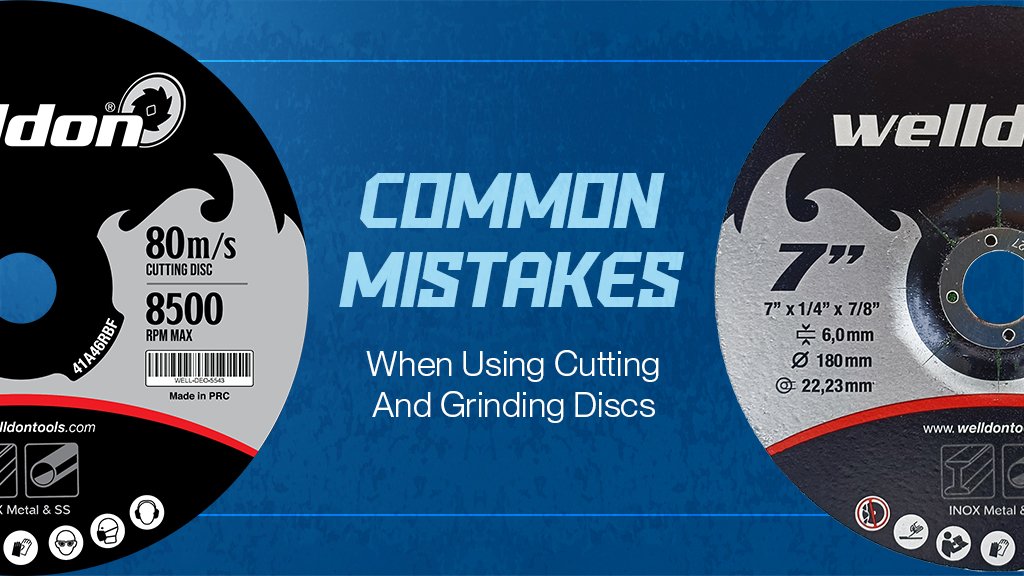
Cutting and grinding discs are indispensable tools in metalworking, construction, and fabrication. From angle grinders to stationary cutting machines, they help professionals and DIYers shape, cut, and finish metal, stone, and other materials efficiently.
However, mistakes while using these discs are common and can lead to accidents, poor quality work, tool damage, or even permanent injury. Understanding the most frequent errors and how to avoid them is critical for safe and effective operation.
This guide explains the common mistakes when using cutting and grinding discs, why they happen, and actionable tips to prevent them. By the end, you’ll know how to maximize performance, safety, and the lifespan of your discs.
Choosing the Wrong Disc
One of the most basic yet frequent mistakes is selecting the wrong disc for the task.
Cutting vs Grinding Discs
- Cutting discs are thin and designed to slice through material efficiently
- Grinding discs are thicker and meant for shaping, smoothing, or removing excess material
- Using a cutting disc for grinding increases the risk of disc breakage, sparks, and injury
- Using a grinding disc to cut can result in slow, uneven cuts and overheating
Material Mismatch
- Different metals and materials require specific abrasive types
- Example: Using a mild steel disc on stainless steel may cause contamination and rust
- Using a concrete disc on metal leads to fast wear and poor performance
Damaged or Expired Discs
- Discs have shelf lives and can deteriorate over time
- Cracks, chips, or warped discs compromise safety and performance
- Always inspect discs before use and replace old or damaged ones
Ignoring Disc Specifications
Every disc has specifications set by the manufacturer. Ignoring these details can result in accidents or poor results.
Maximum RPM Rating
- Exceeding the disc’s RPM rating can cause it to shatter
- Always check the disc rating against your grinder’s speed
- High-speed grinders require discs with corresponding high RPM tolerance
Disc Thickness and Diameter
- Thin discs (1–2 mm) are ideal for precise cutting
- Thick discs are built for heavy-duty grinding
- Using the wrong size or thickness reduces efficiency and may be unsafe
Bond Type and Grit Selection
- Hard bonds for soft metals; soft bonds for hard metals
- Grit size affects material removal rate and surface finish
- Using mismatched bond or grit may cause overheating, scratches, or burn marks
Improper Tool Handling
Even the right disc can fail if handled incorrectly.
Excessive Pressure
- Pushing too hard forces the disc to work beyond its design
- Causes heat buildup, faster wear, and surface burns
- Let the disc do the work with controlled, consistent pressure
Incorrect Angle
- Cutting discs should be used almost perpendicular to the workpiece
- Grinding discs work best at a slight angle, depending on the task
- Wrong angles can cause uneven cuts, gouges, or kickback
Improper Holding Technique
- Unsteady hands or unstable posture reduce precision and safety
- Always secure the workpiece and hold the grinder firmly
Overheating the Disc or Workpiece
Heat is a common enemy when cutting or grinding. Excessive temperature can lead to:
- Surface burns or discoloration on metals
- Warping of thin sheets
- Rapid wear of the disc
Common Causes
- Continuous use without breaks
- Ignoring wet cutting when required
- Applying heavy pressure
- Using a disc with improper grit or abrasive for the material
Prevention
- Take short breaks during extended cutting sessions
- Use wet cutting or cooling techniques when appropriate
- Avoid pressing too hard or staying in one spot too long
Safety Negligence
One of the biggest contributors to accidents with cutting and grinding discs is neglecting basic safety protocols. Even experienced professionals sometimes skip simple steps, which can lead to serious injuries.
Skipping PPE
- Always wear gloves, safety goggles, ear protection, and dust masks
- Sparks, metal shards, and debris can cause severe injuries
- PPE reduces the risk of burns, eye damage, and respiratory issues
Not Securing the Workpiece
- Unstable materials increase the chance of kickback
- Use clamps or vices to hold metal sheets or pipes firmly
- Secure work areas reduce accidents and improve cutting accuracy
Ignoring Spark Containment
- Sparks can ignite flammable materials nearby
- Maintain a clean workspace and keep flammable liquids away
- Use spark guards or screens if possible
Poor Storage and Maintenance
Discs are fragile tools and require proper care to maintain performance and safety. Many mistakes happen before the disc even reaches the grinder.
Improper Storage
- Discs should be stored flat in a cool, dry area
- Avoid bending or stacking discs in a way that causes warping
- Moisture can weaken the resin bond, leading to premature failure
Using Cracked, Warped, or Worn Discs
- Always inspect discs for visible damage before use
- Replace any disc with chips, cracks, or uneven surfaces
- Worn discs reduce cutting efficiency and increase heat buildup
Neglecting Regular Inspection
- Check discs for wear after each use
- Replace discs that have lost thickness or show signs of overheating
- Regular inspection ensures safety and consistent performance
Common Industry-Specific Mistakes
Different materials and tasks come with their own pitfalls.
Stainless Steel Mistakes
- Using standard steel discs causes burns, discoloration, and contamination
- Always use INOX or iron-free discs for stainless steel
Heavy-Duty Material Errors
- Using thin cutting discs on thick or reinforced steel can lead to disc failure
- Reinforced discs are required for heavy-duty industrial work
Finishing Errors
- Using coarse grinding discs for polishing or finishing
- Can leave deep scratches or uneven surfaces
- Non-woven or fine flap discs are ideal for finishing tasks
Best Practices to Avoid Mistakes
Following best practices ensures both safety and high-quality results.
- Match disc type to material and task: Cutting vs grinding, metal type, thickness
- Check RPM, diameter, thickness, and grit: Follow manufacturer specifications
- Proper handling: Maintain correct angle, light pressure, and steady grip
- Regular inspection and safe storage: Prevent cracks, warping, and moisture damage
- Follow safety protocols: PPE, spark containment, and secure workpieces
Implementing these practices reduces accidents, improves efficiency, and extends the lifespan of your discs.
Conclusion
Cutting and grinding discs are versatile and essential tools, but mistakes in selection, handling, and safety are surprisingly common. The most frequent mistakes include:
- Using the wrong disc type for the task
- Ignoring specifications like RPM, diameter, and grit
- Improper handling and excessive pressure
- Overheating the disc or workpiece
- Neglecting safety protocols
- Poor storage or using damaged discs
- Industry-specific errors, such as using standard discs on stainless steel
By understanding these mistakes and following best practices, both professionals and DIYers can achieve:
- Clean, precise cuts and finishes
- Longer disc and tool lifespan
- Safer work environment
- Reduced material waste and rework
Whether you are a welder, fabricator, contractor, or hobbyist, paying attention to disc selection, proper handling, and safety ensures efficient, burn-free, and scratch-free results every time.