
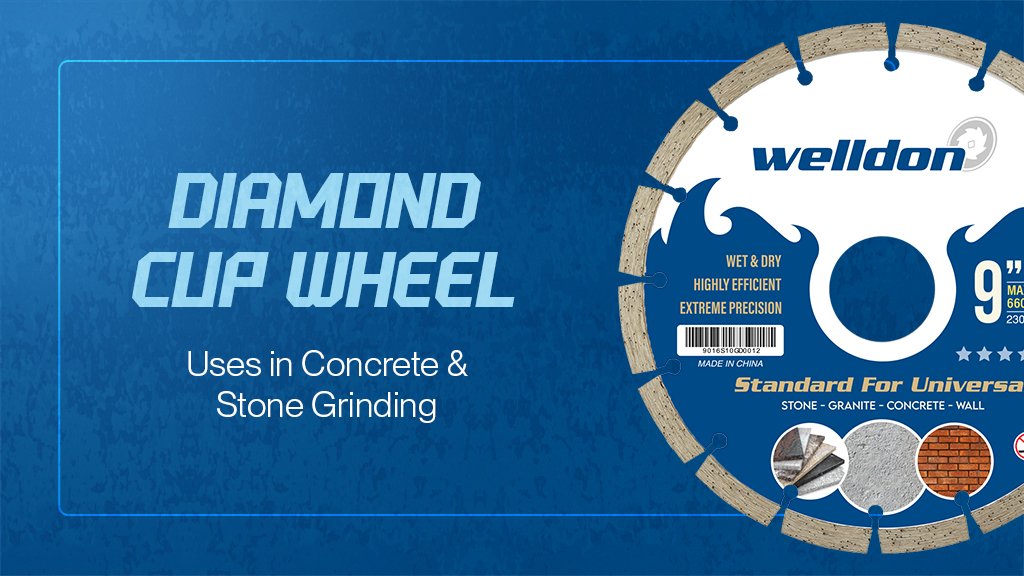
Diamond cup wheel tools are essential for concrete and stone grinding in construction, renovation, and surface preparation projects. Whether leveling uneven concrete, removing old coatings, or shaping natural stone, using the right abrasive tool ensures a smooth and controlled surface finish.
A diamond cup wheel is specifically designed for heavy-duty grinding tasks. It offers faster material removal, longer service life, and greater control compared to traditional grinding wheels. For professionals working with concrete floors, masonry walls, granite slabs, or stone surfaces, this tool is an essential part of the toolkit.
In this guide, we will explain what a diamond cup wheel is, the different types available, and how it is used in concrete and stone grinding. By understanding its applications and features, you can choose the right option and achieve efficient, professional-quality results.
What Is a Diamond Cup Wheel?
A diamond cup wheel is a grinding tool made with a steel body and diamond segments bonded to its surface. It is designed to be mounted on an angle grinder or specialized grinding machine and is used primarily for surface grinding rather than cutting.
The diamond segments are embedded with industrial-grade diamonds, which grind away hard materials such as concrete, stone, granite, and masonry. Instead of cutting through the material like a saw blade, a diamond cup wheel removes material gradually, allowing for precise surface shaping and leveling.
How Diamond Cup Wheels Work
When the grinder rotates, the diamond segments come into contact with the surface. The hardness of the diamonds allows them to grind away tough materials efficiently while maintaining consistent performance. As the wheel wears, new diamond particles are exposed, ensuring continued grinding effectiveness over time.
Difference Between Diamond Cup Wheels and Flat Grinding Wheels
Flat grinding wheels are typically used for metal grinding and shaping. Diamond cup wheels, on the other hand, are specifically designed for mineral-based materials like concrete and stone. The cup shape provides better control, improved contact with the surface, and enhanced dust removal when paired with the right grinder setup.
Types of Diamond Cup Wheels
Diamond cup wheels come in various designs, each suited for specific grinding applications. Understanding these types helps you select the right wheel for your project.
Single Row Diamond Cup Wheels
Single row diamond cup wheels feature one row of diamond segments around the edge. They are lightweight and designed for fast material removal with reasonable surface control.
These wheels are commonly used for:
- General concrete grinding
- Surface leveling
- Removing minor coatings or imperfections
Single row cup wheels are a good balance between speed and control, making them suitable for both professionals and experienced DIY users.
Double Row Diamond Cup Wheels
Double row diamond cup wheels have two rows of diamond segments, which provide increased grinding power and durability. They remove material faster and are better suited for tougher grinding tasks.
Common uses include:
- Heavy concrete grinding
- Removing thick coatings or adhesives
- Smoothing rough or uneven concrete surfaces
Because of their aggressive nature, double row cup wheels are ideal for large-scale or demanding projects.
Turbo Diamond Cup Wheels
Turbo diamond cup wheels are designed with angled or spiral-shaped segments. This design improves airflow, reduces heat buildup, and provides smoother grinding results.
They are often used for:
- Concrete and stone surface finishing
- Applications requiring controlled grinding
- Jobs where both speed and smoothness are important
Turbo cup wheels are popular for projects that require efficiency without sacrificing surface quality.
Segmented Diamond Cup Wheels
Segmented cup wheels feature widely spaced diamond segments. This spacing allows for faster material removal and better dust clearance during grinding.
They are ideal for:
- Aggressive concrete grinding
- Removing thick layers of material
- Rough surface preparation
Segmented cup wheels are commonly used in construction and renovation environments where speed is a priority.
Continuous Rim Diamond Cup Wheels
Continuous rim cup wheels have a smooth, uninterrupted grinding edge. They provide finer control and are used for precision grinding rather than heavy material removal.
Typical applications include:
- Stone surface smoothing
- Light concrete finishing
- Preparing surfaces for polishing
Diamond Cup Wheel Uses in Concrete Grinding
Concrete grinding is one of the most common applications for diamond cup wheels. From surface preparation to repair work, these tools deliver efficient and consistent results.
Surface Leveling and Smoothing
Uneven concrete surfaces can cause structural and aesthetic issues. Diamond cup wheels are used to level high spots, smooth rough areas, and prepare concrete floors for coatings or overlays.
This is especially important in:
- Industrial flooring
- Commercial buildings
- Residential renovation projects
Removing Coatings, Paint, and Adhesives
Old paint, epoxy coatings, and adhesives can be difficult to remove using standard tools. Diamond cup wheels grind these materials away efficiently, leaving a clean surface ready for further treatment.
They are widely used for:
- Floor restoration
- Concrete resurfacing
- Preparing surfaces for new coatings
Grinding Concrete Floors and Walls
Diamond cup wheels are suitable for both horizontal and vertical surfaces. Contractors use them to grind concrete walls, columns, and edges where precision and control are required.
Repair and Refurbishment Work
In repair projects, damaged or deteriorated concrete must be ground down before patching or resurfacing. Diamond cup wheels allow controlled removal of weakened material, ensuring strong adhesion for repairs.
Diamond Cup Wheel Uses in Stone Grinding
Stone materials such as granite, marble, limestone, and sandstone require specialized tools for grinding and shaping. Diamond cup wheels are widely used in stone fabrication, construction, and restoration because they offer precision and durability on hard surfaces.
Grinding Granite and Marble
Granite and marble are dense, abrasive materials that can quickly wear out standard grinding tools. Diamond cup wheels are designed to handle these challenges efficiently.
They are commonly used for:
- Smoothing rough stone surfaces
- Correcting uneven slabs
- Preparing stone for polishing or finishing
The diamond segments provide consistent grinding performance without damaging the stone structure.
Shaping Stone Edges
Stone edge shaping is essential in countertop fabrication, architectural stonework, and decorative projects. Diamond cup wheels allow controlled grinding, making it easier to shape edges, bevel corners, and refine stone profiles.
Turbo and continuous rim cup wheels are often preferred for edge work due to their smoother grinding action.
Surface Preparation for Polishing
Before stone can be polished, it must be properly ground to remove imperfections and tool marks. Diamond cup wheels are used in the initial stages of stone finishing to create a uniform surface.
This step ensures:
- Better polishing results
- Reduced polishing time
- Improved final appearance
Restoration and Refinishing of Stone Surfaces
In restoration projects, stone surfaces may have stains, scratches, or uneven wear. Diamond cup wheels help remove damaged layers and restore the surface to a workable condition.
They are widely used in:
- Historical building restoration
- Floor refinishing
- Stone repair and maintenance
Selecting the right diamond cup wheel is essential for achieving the best grinding results while minimizing tool wear and material damage.
Match the Wheel Type to the Application
Different grinding tasks require different cup wheel designs. For aggressive material removal, segmented or double row cup wheels are ideal. For finer grinding and finishing, turbo or continuous rim wheels provide better control.
Consider Segment Design and Grit
Segment size and grit level affect grinding performance. Larger segments and coarser grits remove material faster, while finer grits are better for smoothing and finishing.
Choosing the right balance depends on:
- Material hardness
- Desired surface finish
- Project scale
Check Grinder Compatibility and Wheel Size
Diamond cup wheels must be compatible with your angle grinder or grinding machine. Common sizes include 4 inch, 4.5 inch, and 7 inch wheels.
Always ensure:
- Correct arbor size
- Proper maximum RPM rating
- Secure mounting on the grinder
Wet vs Dry Grinding Considerations
Some diamond cup wheels are designed for dry grinding, while others can be used with water. Dry grinding is more common and convenient, but it generates dust and heat. Wet grinding reduces dust and extends wheel life but requires additional equipment.
How to Choose the Right Diamond Cup Wheel
Advantages of Using Diamond Cup Wheels
Diamond cup wheels offer several benefits compared to traditional grinding tools, making them a preferred choice for professionals.
Fast Material Removal
The hardness of diamond segments allows rapid grinding of tough materials like concrete and stone, reducing project time.
Long Service Life
Diamond cup wheels last significantly longer than conventional abrasive wheels, even under heavy use.
Smooth and Controlled Grinding
The cup design improves stability and control, helping achieve even and consistent results.
Cost Efficiency
Although diamond cup wheels may have a higher initial cost, their durability and efficiency make them cost-effective over time.
Safety Tips for Using Diamond Cup Wheels
Proper safety practices are essential when working with high-speed grinding tools.
Use Personal Protective Equipment
Always wear safety glasses, gloves, dust masks, and hearing protection to minimize exposure to dust and debris.
Handle the Grinder Correctly
Maintain a firm grip on the grinder and avoid applying excessive pressure. Let the diamond segments do the work.
Avoid Overheating
Excessive heat can damage both the wheel and the material. Use steady movement and allow the wheel to cool when necessary.
Inspect and Store Properly
Check the cup wheel for damage before use and store it in a dry, safe location when not in use.
Conclusion
Diamond cup wheels are indispensable tools for concrete and stone grinding applications. Their ability to handle hard materials, remove material efficiently, and deliver smooth, controlled results makes them ideal for construction, renovation, and stone fabrication projects.
By understanding the different types of diamond cup wheels, their uses in concrete and stone grinding, and how to choose the right one, professionals can achieve better results with greater efficiency and safety. Whether leveling concrete floors or restoring stone surfaces, diamond cup wheels remain a reliable and effective grinding solution.