
In construction, masonry, and fabrication, achieving precise and efficient cuts is essential. Diamond saw blades have become the industry standard for cutting hard materials such as concrete, stone, tiles, and asphalt. Unlike traditional saw blades, diamond saw blades provide faster cutting, longer lifespan, and cleaner edges, reducing material waste and increasing productivity.
These blades are designed with diamond segments bonded to a steel core, making them ideal for demanding applications where conventional blades fail. Understanding the different types, applications, and selection criteria can help professionals and DIY enthusiasts achieve optimal results with every cut.
What Is a Diamond Saw Blade?
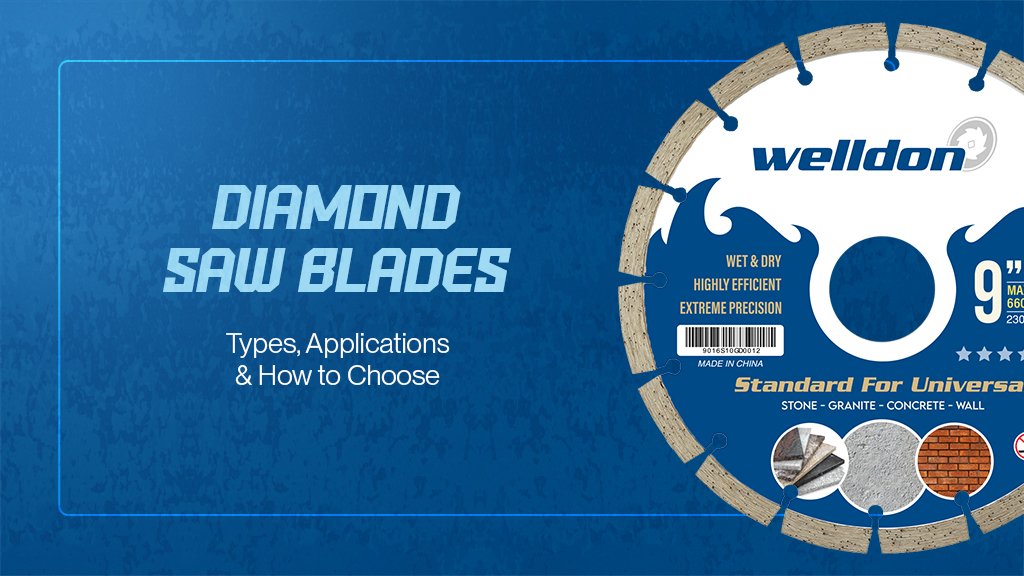
A diamond saw blade is a circular cutting tool with a steel core and segments embedded with industrial diamonds. The diamonds act as the abrasive cutting surface, allowing the blade to cut through very hard materials like concrete, granite, tile, and asphalt with precision.
How Diamond Saw Blades Work
- The steel core provides stability and strength
- Diamond segments grind through the material, removing small particles
- The blade rotates at high speed to achieve clean and efficient cuts
Unlike conventional saw blades, diamond blades do not rely solely on sharp teeth to cut. Instead, they use the hardness of diamonds to grind through materials, which allows them to maintain cutting performance even under heavy use.
Difference Between Diamond and Standard Saw Blades
- Standard blades wear quickly on hard materials
- Diamond blades last longer and provide cleaner edges
- Diamond blades can cut through very dense materials that standard blades cannot
These advantages make diamond blades indispensable for professional masonry, construction, and industrial cutting.
Types of Diamond Saw Blades
Diamond saw blades are categorized based on cutting method, edge design, and material compatibility. Understanding the types ensures you choose the right blade for your project.
By Cutting Method: Wet vs Dry
- Wet diamond blades:
- Use water for cooling
- Reduce dust and overheating
- Ideal for concrete, stone, and tile
- Dry diamond blades:
- Can be used without water
- Portable and suitable for smaller projects
- May generate more heat and dust
Choosing wet or dry depends on the project type, workspace conditions, and material being cut.
By Edge Design
- Continuous rim blades:
- Smooth, clean cuts
- Ideal for tile, ceramics, and glass
- Segmented rim blades:
- Faster cutting with gaps between segments
- Ideal for concrete and asphalt
- Turbo rim blades:
- Hybrid design with angled edges
- Fast cutting and smooth finish
By Material
Diamond blades are designed for specific materials:
- Concrete blades – aggressive cutting, durable segments
- Stone and granite blades – precise cuts, smooth finish
- Tile and ceramic blades – thin segments, clean edges
- Masonry blades – cutting brick, blocks, and pavers
- Asphalt blades – fast cutting, durable under high-speed rotation
Specialty Blades
- Thin kerf blades – less material waste, reduced cutting effort
- High-speed blades – suitable for heavy-duty saws
- Multi-purpose blades – designed to cut various materials efficiently
Common Applications of Diamond Saw Blades
Diamond saw blades are widely used in industries that require precision and durability.
Concrete and Masonry Cutting
- Cutting concrete slabs, foundations, and walls
- Trimming bricks and masonry blocks
- Used in both construction and demolition projects
Stone and Granite Cutting
- Cutting slabs for countertops and flooring
- Shaping natural stone for landscaping
- Smooth, precise cuts for aesthetic finishes
Tile and Ceramic Work
- Cutting floor and wall tiles
- Making intricate shapes and designs for home or commercial projects
- Maintaining clean edges to reduce breakage
Asphalt and Road Construction
- Road repairs, cutting asphalt for patches
- High-speed, heavy-duty cuts with segmented blades
Specialty Applications
- Cutting composites, glass, and certain metals
- Custom fabrication in workshops and industrial settings
Diamond saw blades are versatile and can handle projects from small DIY tasks to large-scale industrial cutting.
How to Choose the Right Diamond Saw Blade
Selecting the correct diamond saw blade ensures efficient cutting, longer blade life, and safety. Consider these key factors:
1. Match Blade Type to Material
- Concrete: Segmented rim blades for fast cuts
- Tile/Ceramic: Continuous rim blades for clean edges
- Stone/Granite: Turbo or continuous rim for smooth, precise cuts
- Asphalt: Segmented blades designed to handle high speeds
2. Choose Wet or Dry Cutting
- Wet cutting: Reduces dust and heat; recommended for large or dense materials
- Dry cutting: Portable and convenient; ideal for smaller projects or where water is unavailable
3. Consider Diameter and Thickness
- Ensure the blade fits your saw (common diameters: 4.5”, 7”, 10”, 12”)
- Thicker blades last longer but remove more material; thinner blades cut faster but wear quicker
4. Segment Type and Bond Hardness
- Harder bonds last longer when cutting soft materials
- Softer bonds wear faster but cut efficiently through hard materials
- Segmented blades allow faster cutting and cooling, while continuous rims provide clean finishes
5. Check RPM and Saw Compatibility
- Always use blades within the manufacturer’s maximum RPM rating
- Verify saw compatibility for size, arbor, and power requirements
Choosing the correct combination of blade type, size, bond, and design ensures professional results and prevents damage to the material or tool.
Tips for Using Diamond Saw Blades Effectively
Even the best blade requires proper use to maximize performance:
- Proper Mounting: Ensure the blade is securely attached to the saw and rotates in the correct direction.
- Correct Speed and Feed Rate: Avoid forcing the blade; let the diamonds grind the material naturally.
- Cooling and Lubrication: Use water when cutting with wet blades to reduce heat and prolong lifespan.
- Safety Precautions: Always wear PPE, maintain a safe distance from the cut, and avoid loose clothing.
- Regular Inspection: Check for cracks, worn segments, or uneven edges before each use.
Following these practices ensures consistent cutting performance, longer blade life, and reduced risk of accidents.
Benefits of Using Diamond Saw Blades
Diamond saw blades offer multiple advantages over conventional blades:
- Faster Cuts: Diamonds grind through tough materials efficiently, saving time.
- Cleaner Edges: Reduce chipping, breakage, or uneven surfaces.
- Longer Lifespan: Industrial diamonds maintain cutting ability longer than steel blades.
- Versatility: Able to cut concrete, stone, tile, asphalt, and specialized materials.
- Cost-Effective: Less blade replacement and reduced material waste increase overall productivity.
These benefits make diamond blades an essential investment for professionals and serious DIYers.
Safety Tips for Diamond Saw Blades
Using diamond saw blades safely is crucial due to their high-speed operation:
- Always wear eye protection, gloves, ear protection, and a dust mask
- Use guards and proper blade covers to prevent injuries
- Maintain a steady grip and stable stance while cutting
- Avoid cutting unsupported or unstable materials
- Do not exceed the recommended RPM or apply excessive pressure
Adhering to safety measures ensures both high-quality cuts and reduced risk of accidents.
Conclusion
Diamond saw blades are indispensable tools in construction, masonry, stonework, and industrial projects. Using high-quality diamond saw blades, like those offered by Welldon, ensures durability, speed, and consistent performance.
Whether for professional contractors or DIY enthusiasts, investing in the right blade improves results, reduces downtime, and maximizes safety.
Diamond saw blades are more than just cutting tools—they are precision instruments that make the difference between average and professional-quality results.